
House Painting Cost Guide: Interior and Exterior Pricing for 2026
By Emily Hartman, Founder & Lead Editor at Tiny Homes Nest. Tiny home owner since 2019.
Painting looks like the cheapest way to transform a house until the quotes start arriving. Labor, not paint, drives most of the bill, which is exactly why two houses of identical size can land thousands of dollars apart. This guide breaks down real 2026 house painting cost for interior and exterior work, so you know what a fair quote actually looks like before you sign anything. Every range below reflects fully installed cost, materials and labor together, not the price tag on a can of paint at the hardware store.
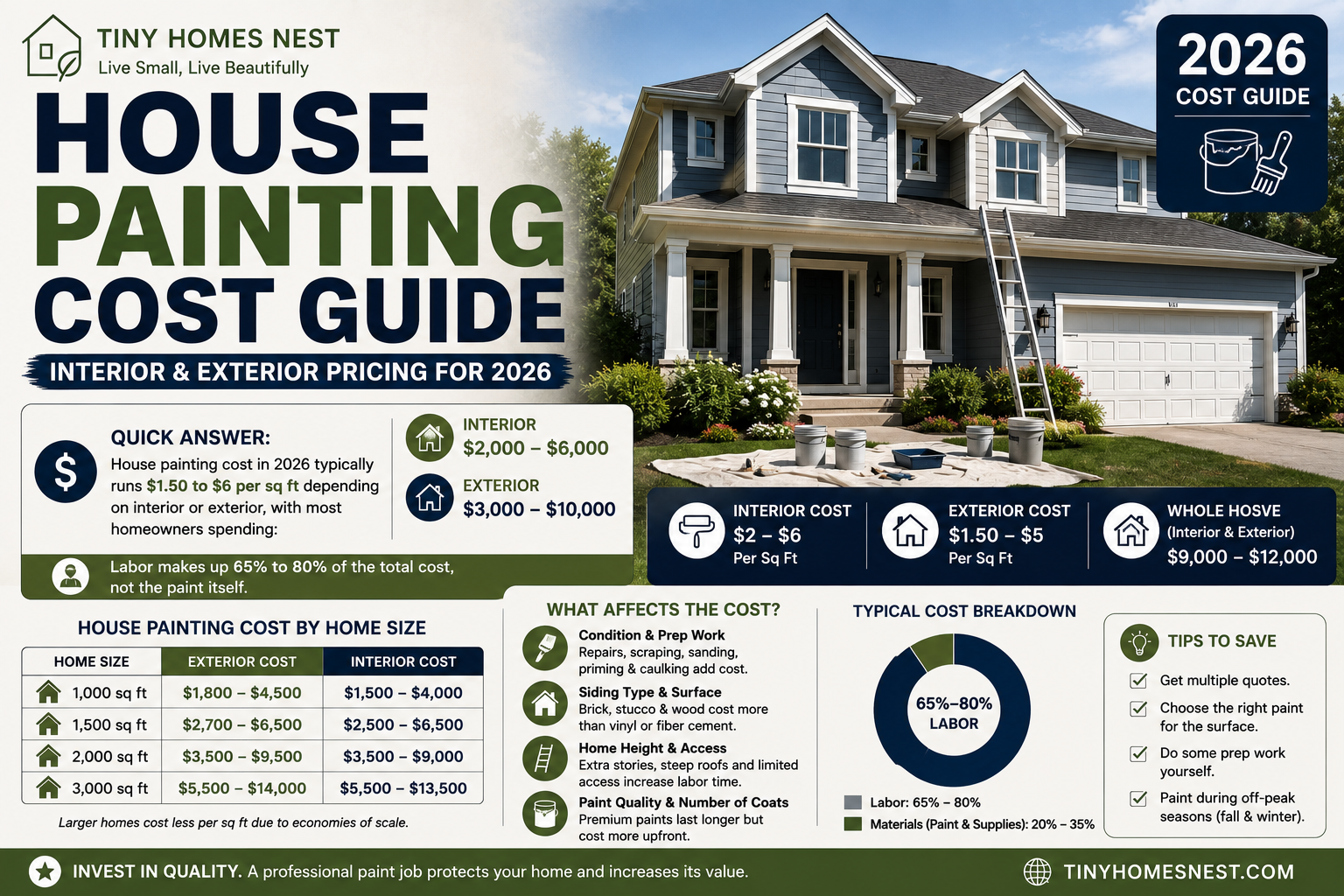
Quick answer: House painting cost in 2026 typically runs $1.50 to $6 per square foot depending on whether the work is exterior or interior, with most homeowners spending $2,000 to $6,000 for interior painting and $3,000 to $10,000 for exterior painting. Labor makes up 65 to 80 percent of the total bill, not the paint itself.
How Much Does House Painting Cost in 2026? Quick Answer
House painting cost splits into two very different categories. Quoting them the same way is one of the most common mistakes homeowners make when comparing bids.
Exterior painting typically runs $1.50 to $5 per square foot of paintable surface, with a national average around $3,200 to $5,800 for a standard 2,000 square foot two-story home. Interior painting generally costs $2 to $6 per square foot, with the national average landing closer to $2,000 for a full interior repaint. Whole house painting, interior and exterior combined, typically totals $9,000 to $12,000 for a 2,500 square foot home. Home size drives the total dollar figure. Prep condition, siding type and the number of stories drive the per-square-foot rate far more than most homeowners expect going in, though. Two homes of identical square footage can land on opposite ends of these ranges once those three variables get factored in.
Exterior House Painting Cost
Exterior painting protects the house as much as it improves how it looks, which is part of why the price sits where it does.
Professional exterior painting typically costs $1.50 to $5 per square foot of paintable surface, translating to roughly $3,000 to $10,000 for an average 2,000 square foot home. Siding type moves that number considerably. Vinyl and fiber cement sit at the affordable end. Brick, stucco and heavily weathered wood siding can run 25 to 40 percent higher due to added prep and coating requirements. Homes with more than one story typically add about 50 percent per additional story, since scaffolding and ladder work slow the job down and add a real safety cost to the labor rate.
Paint prices themselves have climbed 8 to 14 percent since 2024, driven by rising costs for titanium dioxide and petrochemical resins. Even so, paint materials still represent a smaller share of the bill than most homeowners assume. A full repaint on a typical two-story home usually takes two to three painters four to six working days. That labor time is what actually sets the price, not the number of gallons purchased. A homeowner comparing two bids purely on the paint brand listed is usually comparing the wrong variable entirely.
It is also worth fixing a sagging exterior door before the painters arrive, since a door that drags against the frame will scuff a fresh coat within weeks.
Interior House Painting Cost
Interior painting costs less overall than exterior work. The per-square-foot rate often runs higher once trim, ceilings and multiple coats enter the picture, though.
Interior painting typically costs $2 to $6 per square foot, with the national average landing around $2,000 for a full interior job. A single average-sized room typically costs $300 to $900 depending on wall height, trim complexity and paint quality. Wall condition changes this number more than almost any other factor. Cracked, stained or peeling walls need repair before paint goes on. That prep work gets billed separately from the painting itself in most honest quotes.
Ceiling height matters more indoors than most buyers expect. Standard 8 foot ceilings price differently than vaulted or two-story great rooms, since taller walls require scaffolding or extension work that a standard room does not. Color changes matter too. Painting over a dark, saturated color with a light neutral often requires an extra coat or a tinted primer, which adds both time and material cost that a same-color refresh never needs.
House Painting Cost by Home Size
Total house painting cost scales with square footage. It does not scale in a perfectly linear way, though. Fixed costs like setup and cleanup stay roughly the same regardless of home size, which is why a small home’s per-square-foot rate often looks higher on paper than a much larger one down the street.
| Home Size | Exterior Cost | Interior Cost |
|---|---|---|
| 1,000 sq ft | $1,800 to $4,500 | $1,500 to $4,000 |
| 1,500 sq ft | $2,700 to $6,500 | $2,500 to $6,500 |
| 2,000 sq ft | $3,500 to $9,500 | $3,500 to $9,000 |
| 3,000 sq ft | $5,500 to $14,000 | $5,500 to $13,500 |
A larger home does not simply multiply the cost of a smaller one at the same rate per square foot, since larger jobs sometimes benefit from efficiency once a crew is already on site. Complex layouts, multiple colors and heavy trim work can push any of these ranges higher regardless of total square footage.
House Painting Labor Cost Per Square Foot
Labor is the real driver behind house painting cost, typically representing 65 to 80 percent of the total bill across both interior and exterior work.
Painters in construction and maintenance earned a median annual wage of roughly $49,400 as of the most recent national wage data. That figure feeds directly into per-square-foot labor pricing. Prep work, scraping, sanding, patching, masking and priming, consumes more labor hours than the actual painting in most projects. This is why a home with failing paint or damaged trim costs meaningfully more than one that only needs a fresh coat over sound surfaces. Getting a bid that separates labor from materials is the clearest way to compare quotes from different painters fairly. The bid should also specify exactly how many coats and how much prep are included.
Brick House Painting Cost
Brick behaves differently than any other siding material, both in how it is finished and what it costs.
Painting brick directly typically runs toward the higher end of the standard exterior range, since the porous, textured surface demands more paint and more labor than smooth siding. Whitewashing or limewashing, an alternative finish that lets some of the brick’s texture show through, generally costs $2.50 to $6 per square foot and tends to last longer than a standard painted finish. Brick surfaces also require different prep entirely, often including a masonry-specific primer, which adds a cost line that vinyl or wood siding never needs.
One detail worth knowing before committing to painted brick: the process is difficult to fully reverse. Once brick is painted, returning it to bare masonry generally requires specialized, expensive removal work. This decision deserves more consideration than a standard color change as a result. Sealing rather than painting is worth asking about too, since a breathable masonry sealer preserves the option to paint later without locking you into the commitment immediately.
Whole House Painting Cost (Interior and Exterior Together)
Bundling interior and exterior painting into one project often costs less than hiring two separate crews for two separate jobs.
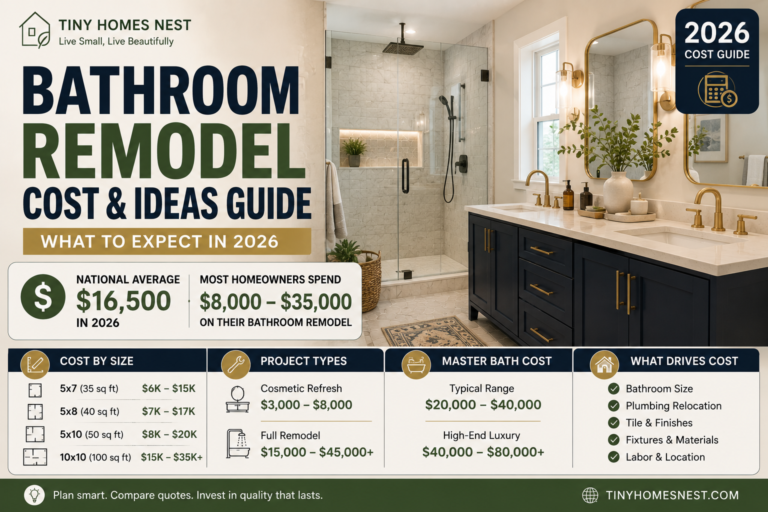
Whole house painting, covering both interior and exterior surfaces, typically totals $9,000 to $12,000 for a 2,500 square foot home, based on current national cost indexes. Painting companies frequently discount combined work, since a single larger job fills their schedule more efficiently than two smaller ones booked separately. If your home also needs kitchen or bathroom updates at the same time, our kitchen remodel cost guide and bathroom remodel cost guide both cover how painting fits into a larger room renovation budget. Sequencing matters here too. Painting before new flooring goes in protects the floor from drips and overspray, while painting after cabinet installation avoids the need to touch up nicks from the install crew.
What to Know Before Painting an Older Home
Homes built before 1978 carry a legal consideration that newer homes simply do not. It directly affects both cost and who can legally do the work.
The EPA’s Renovation, Repair and Painting Rule requires that any paid contractor disturbing painted surfaces in a pre-1978 home be lead-safe certified, since about half of homes built before that year contain lead-based paint. This applies to scraping, sanding and prep work specifically, the exact activities that make up most of an exterior repaint. Homeowners doing the work themselves are generally not required to follow the certification rule. EPA still recommends lead-safe practices given the health risks involved, though, especially with children in the home. Expect a certified contractor’s bid to run somewhat higher than an uncertified painter’s quote on an older home. That premium reflects real legal compliance and safety equipment, not padding. Asking directly whether a contractor holds current certification is a reasonable question, not an insult. Any legitimate painter working on older homes should answer it without hesitation.
How to Use a House Painting Cost Estimator
Online house painting cost estimators give a reasonable starting range, though they cannot see your home’s actual condition the way an in-person quote can.
Measure paintable surface area separately from total square footage, since window and door openings do not need paint. Note your home’s siding material and number of stories before requesting quotes, since both change the per-square-foot rate significantly. Get at least three itemized bids that specify surface prep, number of coats and paint brand and grade, since a lump-sum number with no detail behind it is impossible to compare fairly against a competing bid. A calculator result is a useful planning number. A written quote from a painter who has actually walked your property is the number to budget against. Photos alone rarely capture the true condition of exterior trim or interior wall damage, so an in-person walkthrough remains worth scheduling even when a phone estimate feels convenient.
Frequently Asked Questions
How much does it cost to paint a house?
House painting cost typically runs $1.50 to $6 per square foot depending on interior versus exterior work, with most homeowners spending $2,000 to $6,000 on interior painting and $3,000 to $10,000 on exterior painting for an average-sized home.
How much does exterior house painting cost?
Exterior house painting typically costs $1.50 to $5 per square foot, translating to roughly $3,000 to $10,000 for a standard 2,000 square foot two-story home. Siding type and number of stories both move this number considerably.
How much does interior house painting cost?
Interior house painting typically costs $2 to $6 per square foot, with a national average around $2,000 for a full interior repaint. A single average room generally costs $300 to $900 depending on size and trim complexity.
How much does it cost to paint a brick house?
Painting brick directly typically sits toward the higher end of standard exterior pricing due to the surface’s texture and porosity. Whitewashing or limewashing brick generally costs $2.50 to $6 per square foot as an alternative finish.
Is it cheaper to paint interior and exterior at the same time?
Often, yes. Painting companies frequently offer better pricing on combined interior and exterior work, since one larger job fills their schedule more efficiently than two separate smaller projects booked apart.
Do I need a certified contractor to paint an older home?
If your home was built before 1978 and you are hiring a contractor, yes. The EPA’s Renovation, Repair and Painting Rule requires lead-safe certification for any paid work that disturbs painted surfaces in pre-1978 housing.
House painting cost comes down to labor far more than paint, which is why prep condition and home size matter more than which brand of paint ends up on the wall. Get multiple itemized quotes, ask specifically about prep and coat count. Budget for the legal realities of an older home too, if that applies to your project. None of these steps take long. Together they turn a vague ballpark number into a real budget you can actually plan around.
Have a specific home size or paint project in mind? Drop it in the comments and our team will help you think through a realistic budget. Browse our full Home Improvement collection for more room-by-room and project-by-project cost guides as they go live.
.



3 Comments