Hydro Jetting Cost Guide 2026: Sewer & Drain Cleaning Prices
Hydro Jetting Cost Guide: Sewer and Drain Cleaning Pricing for 2026
By Emily Hartman, Founder & Lead Editor at Tiny Homes Nest. Tiny home owner since 2019.

A snake can punch a hole through a clog. Hydro jetting scours the entire pipe wall clean, which is exactly why plumbers reach for it once snaking stops working. This comprehensive guide breaks down real 2026 hydro jetting cost figures by drain type, explores how it compares to cheaper line-clearing methods, and highlights when the higher price actually pays for itself over time. Every figure below reflects real, current pricing data rather than marketing numbers from a single company trying to sell the service.
Quick Answer: The typical hydro jetting cost in 2026 runs between $100 and $2,000, with a national average hovering right around $475. Interior drains like kitchen sinks and bathroom tubs generally cost $300 to $700, while main sewer lines range from $500 to $1,800. Commercial-scale jobs can easily reach $3,000 or more depending on line diameter and accessibility.
Table of Contents
- How Much Does Hydro Jetting Cost in 2026? Quick Answer
- What Is Hydro Jetting?
- Hydro Jetting Cost by Drain Type
- Hydro Jetting vs. Snaking: Which Costs More?
- Residential vs. Commercial Hydro Jetting Cost
- Hydro Jetting for Septic Systems
- Can You Rent a Hydro Jetting Machine? DIY Risks
- How to Get an Accurate Hydro Jetting Quote
- Frequently Asked Questions
How Much Does Hydro Jetting Cost in 2026? Quick Answer
Your total hydro jetting cost depends almost entirely on which part of your plumbing system needs clearing and how accessible that section actually is.
The national average sits around $475, with most residential jobs falling between $300 and $1,800 depending on whether the work targets a single interior branch drain or the primary main sewer line. Severity of the clog, overall pipe length, accessibility, and local labor rates all move this number in either direction. A straightforward sink line with an accessible cleanout costs far less than a sewer line running under a paved driveway or hidden behind a finished basement drywall.
Plumbers typically charge between $45 and $200 per hour for specialized hydro jetting labor. In addition, a sewer camera inspection is frequently recommended before jetting to confirm the structural stability of the line. This adds another $125 to $750 if your plumber has not already assessed the line. Skipping this video inspection to save money upfront often ends up costing more overall, since jetting damaged, cracked, or misaligned sections can cause an immediate pipe collapse and force an emergency excavation.
What Is Hydro Jetting?
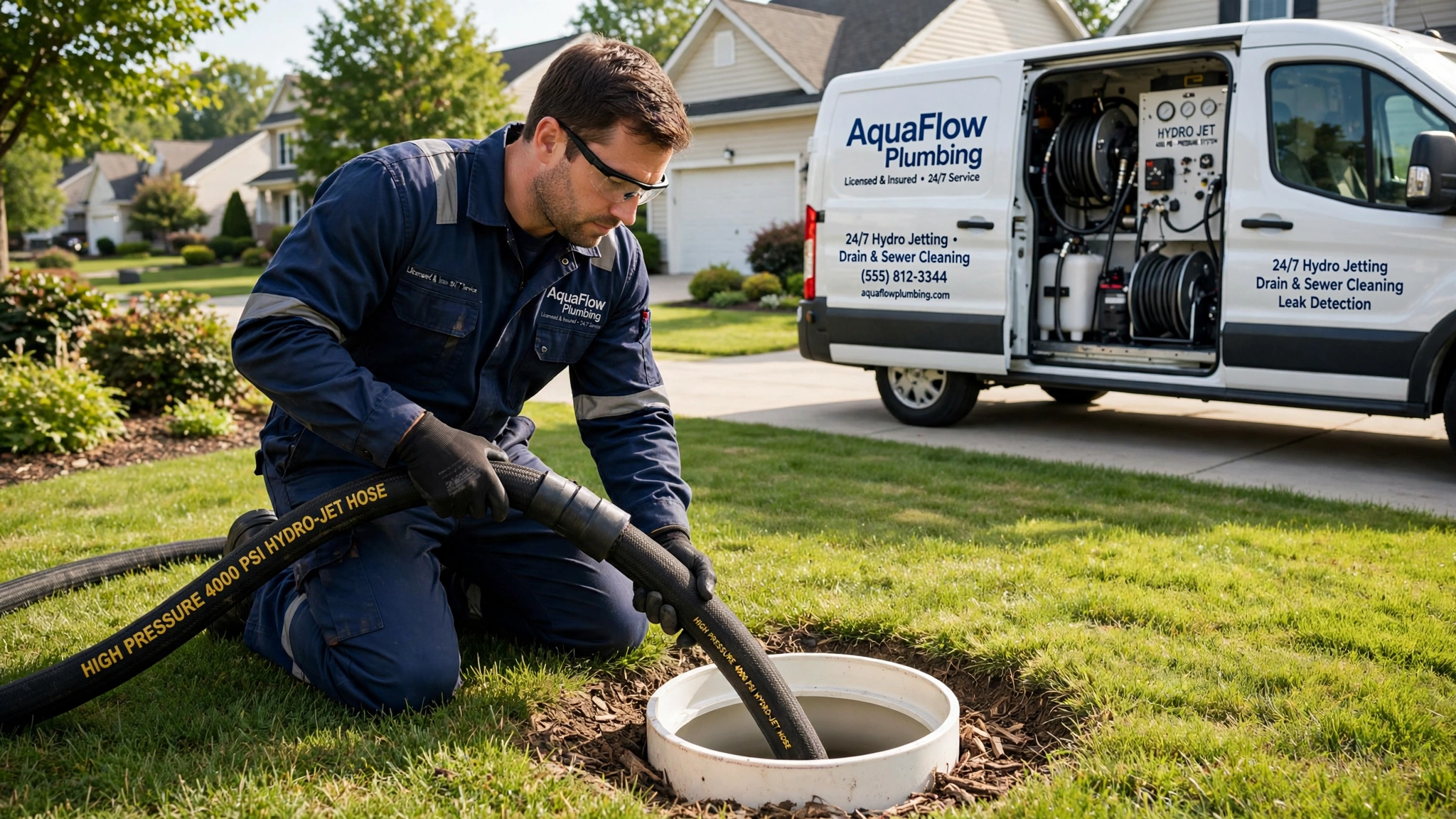
Hydro jetting uses a specialized omnidirectional nozzle to blast high-pressure water through a plumbing line, scouring grease, mineral scale buildup, heavy sludge, and invasive tree roots off the entire interior wall rather than just punching through the immediate blockage.
Water pressure typically runs between 1,500 and 4,000 PSI for standard residential work, with industrial-grade jetting equipment capable of reaching far higher pressures for commercial, municipal, and storm drain applications. The technique has been utilized in municipal wastewater management for more than 80 years, making it a proven, time-tested method rather than an experimental alternative to traditional drain snaking.
Because pressurized water cleans the full 360-degree diameter of the pipe, hydro jetting restores drainage lines much closer to their original internal flow capacity than mechanical snaking can ever achieve. A licensed plumber will almost always run a diagnostic camera through the line first to confirm the pipe material and structural condition can safely handle the cleaning pressure before turning on the machine.
Hydro Jetting Cost by Drain Type
Where the blockage sits inside your plumbing infrastructure drastically changes both the labor difficulty and the invoice you receive. The table below outlines typical fully installed costs, combining equipment overhead, setup fees, and contractor labor together rather than just quoting an initial dispatch fee.
| Drain Type | Typical Cost | Notes & Accessibility Factors |
|---|---|---|
| Interior drain (sink, shower, tub) | $300 to $700 | Most accessible lines, fastest to setup and clear. |
| Main sewer line | $500 to $1,800 | Connects the home to the municipal sewer or septic tank. |
| Lateral sewer line | $800 to $1,100+ | Runs under driveways, patios, or landscaping; harder to access. |
| Commercial system | $500 to $3,000+ | Requires high-volume machinery for large pipe diameters and grease traps. |

Homes equipped with an accessible cleanout—a dedicated capped pipe port providing direct access into the main sewer line—consistently see invoices at the lowest end of these price ranges. This is because the technician does not need to pull an indoor toilet or navigate roof vents to feed the nozzle into the line.
Older properties that lack a dedicated cleanout often demand additional hourly labor just to establish access before the jetting hose can even be pressurized. If your home currently lacks one, adding a sewer cleanout during any future plumbing upgrade is a wise investment that pays for itself the first time an emergency clog occurs.
Hydro Jetting vs. Snaking: Which Costs More?
Mechanical snaking definitely costs less upfront. However, calculating the real economic value requires evaluating long-term durability rather than just picking whichever initial estimate is lower.
Snaking an interior sink line typically costs between $150 and $275, while clearing a main sewer line with an auger cable runs $200 to $500. This is noticeably cheaper than hydro jetting for a single service visit. The critical difference lies in how long that clearance actually lasts.
Snaking operates by puncturing an opening through the immediate obstruction with a rotating steel cable. It leaves the thick layer of grease, limescale, soap scum, and sludge sticking to the pipe walls completely intact. Those left-behind residues immediately catch toilet paper and debris, initiating a new clog cycle.

Because hydro jetting strips those sticky deposits off the pipe walls entirely, chronic and recurring blockages often cost substantially less over time when resolved with hydro jetting. If you find yourself paying for repeated snaking calls every few months, the cumulative cost will quickly surpass a single, decisive hydro jetting job.
With that said, traditional snaking remains the logical, cost-effective choice for isolated, one-time blockages—such as a child’s toy dropped down a drain or a simple hair cluster in a bathroom trap—where systemic internal pipe buildup was never the root cause.
Residential vs. Commercial Hydro Jetting Cost
Commercial hydro jetting follows an entirely different pricing structure than standard single-family residential work. This is due to heavier daily wastewater volume, wider commercial pipe diameters, and strict local environmental compliance requirements.
While residential jetting projects typically range from $300 to $1,800, commercial projects generally start around $500 and frequently exceed $3,000. Restaurants, commercial kitchens, food processing plants, and multi-family residential complexes deal with massive volumes of fats, oils, and grease (FOG). This material adheres aggressively to line walls and forms dense grease blockages that require heavy industrial flow rates.
Food service businesses routinely schedule recurring preventive hydro jetting maintenance contracts. Routine quarterly or biannual jetting proves far less costly over a multi-year cycle than suffering an emergency sewer line backup that forces an immediate regulatory health closure and halts business revenue.
Hydro Jetting for Septic Systems
Homes connected to an on-site private septic system require a cautious, specialized technique when it comes to high-pressure cleaning.
Clearing sewer transport lines leading from the home out to the septic tank usually costs roughly the same as standard sewer work. However, you should specifically seek out a licensed plumber with deep experience in septic system dynamics. Overly aggressive jetting near the septic tank inlet baffle or inside fragile perforated leach field distribution lines can displace gravel, compromise distribution boxes, and destroy delicate biological balances.
For detailed guidance on protecting private wastewater infrastructure, review The EPA’s SepticSmart program. Practicing solid drain habits—such as keeping coffee grounds, fats, and chemical drain cleaners out of your plumbing—significantly reduces how frequently professional hydro jetting becomes necessary.
Keep in mind that a septic drain field that clogs continuously is often signaling that the absorption field itself is failing, meaning jetting should not be relied upon as a permanent bandage for a spent septic system.
Can You Rent a Hydro Jetting Machine? DIY Risks
While industrial equipment rental facilities do offer commercial-grade sewer jetters for daily rental, the performance gap between renting the machinery and operating it safely is immense.
True professional-grade jetters generate between 2,000 and 4,000 PSI alongside high flow volumes (GPM). If an untrained operator navigates this nozzle into an older pipe made of aged vitrified clay, brittle Orangeburg, or corroded cast iron, that concentrated water stream can easily rupture joints, crack brittle pipe walls, or blast out of a secondary fixture indoors, resulting in catastrophic water damage.
Furthermore, rental counters cannot supply the optical video camera systems or the plumbing diagnostic experience needed to inspect pipe integrity before firing high pressure through it. As outlined in our practical DIY home improvement guide, projects carrying substantial risks of structural damage or underground pipe collapse are far better delegated to insured, licensed professionals.
How to Get an Accurate Hydro Jetting Quote
Securing a comprehensive, itemized estimate in writing safeguards you from unexpected invoice surges once the plumber’s service van is parked outside your door. Keep these best practices in mind when gathering quotes:
- Confirm Video Inspections: Ask explicitly whether the quote includes pre-jetting and post-jetting camera inspections, or if that service will be billed as an extra line item.
- Define the Scope: Clarify whether the quoted price covers just an isolated branch line or the entire length of your main sewer lateral all the way to the municipal main.
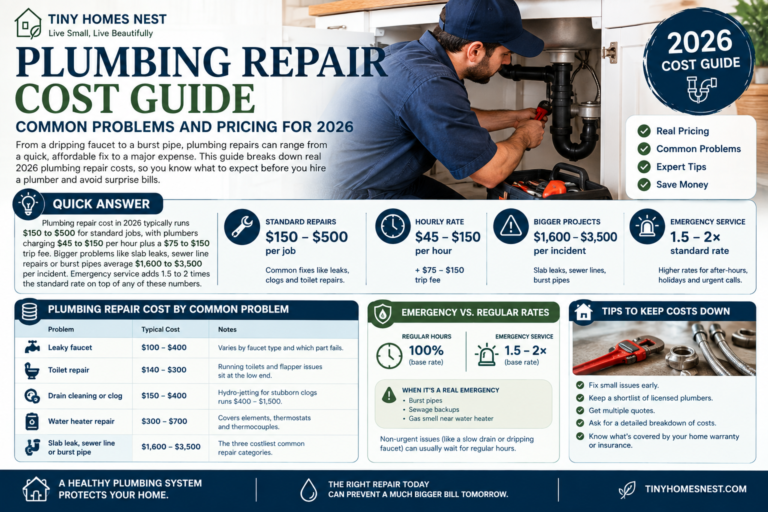
- Check Contractor Credentials: Read our comprehensive plumbing repair cost guide for tips on vetting licensing, checking liability insurance, and comparing competitive plumber labor rates.
- Solicit Multiple Estimates: Unless you are dealing with sewage actively overflowing into your living space, take the time to get estimates from at least two or three established plumbers to confirm fair local pricing.
- Insist on On-Site Evaluation: A reliable contractor will generally want to inspect the site and check access points in person before issuing a firm quote, rather than giving a blind, vague estimate over the telephone.
Frequently Asked Questions
How much does hydro jetting cost on average?
The average hydro jetting cost across the country runs between $100 and $2,000, with typical single-family homeowners paying approximately $475. Clearing an interior branch drain ranges from $300 to $700, while scouring a whole main sewer line falls between $500 and $1,800.
Is hydro jetting more expensive than snaking?
Yes, upfront. Traditional drain snaking averages $150 to $500, whereas hydro jetting ranges from $300 to $1,800. However, snaking only pokes an opening through a blockage, while hydro jetting scours the entire pipe wall clean. For chronic, recurring clogs, jetting regularly saves money over time by preventing repeat service calls.
How much does commercial hydro jetting cost?
Commercial hydro jetting starts around $500 and can easily exceed $3,000. These projects command higher prices because of wider pipe diameters, intricate building layouts, and stubborn grease accumulation common in commercial kitchens.
Can I rent a hydro jetting machine and do it myself?
Equipment is available at rental yards, but DIY jetting carries severe risks. The extreme water pressure can easily crack older clay or cast iron pipes and punch holes through corroded sections, turning a simple drain clog into an expensive emergency excavation.
Does hydro jetting work for septic systems?
Yes, hydro jetting is effective for cleaning lines leading out to a septic tank. However, you should work specifically with a septic-trained professional so that high-pressure water is not directed toward delicate tank baffles or fragile drain field distribution lines.
What affects hydro jetting cost the most?
Line accessibility is the biggest cost driver. Having a direct, accessible ground-level cleanout costs significantly less than having to pull indoor toilets or access lines through a roof vent. Pipe material, length, and the severity of tree root intrusion also play major roles.
In summary, evaluating hydro jetting cost is a matter of weighing a temporary, low-cost patch against a permanent, whole-pipe restoration. For an isolated, one-time clog, simple snaking remains the practical choice. But for recurring line backups or sewer lines choked by years of scale, grease, and root infiltration, hydro jetting’s higher upfront investment pays for itself through years of uninterrupted drainage.
Facing a stubborn drainage issue in your home? Drop your questions in the comments below and our editorial team will help you determine the most cost-effective path forward. Be sure to explore our full Home Improvement collection for more expert maintenance breakdowns and real-world project cost guides.