
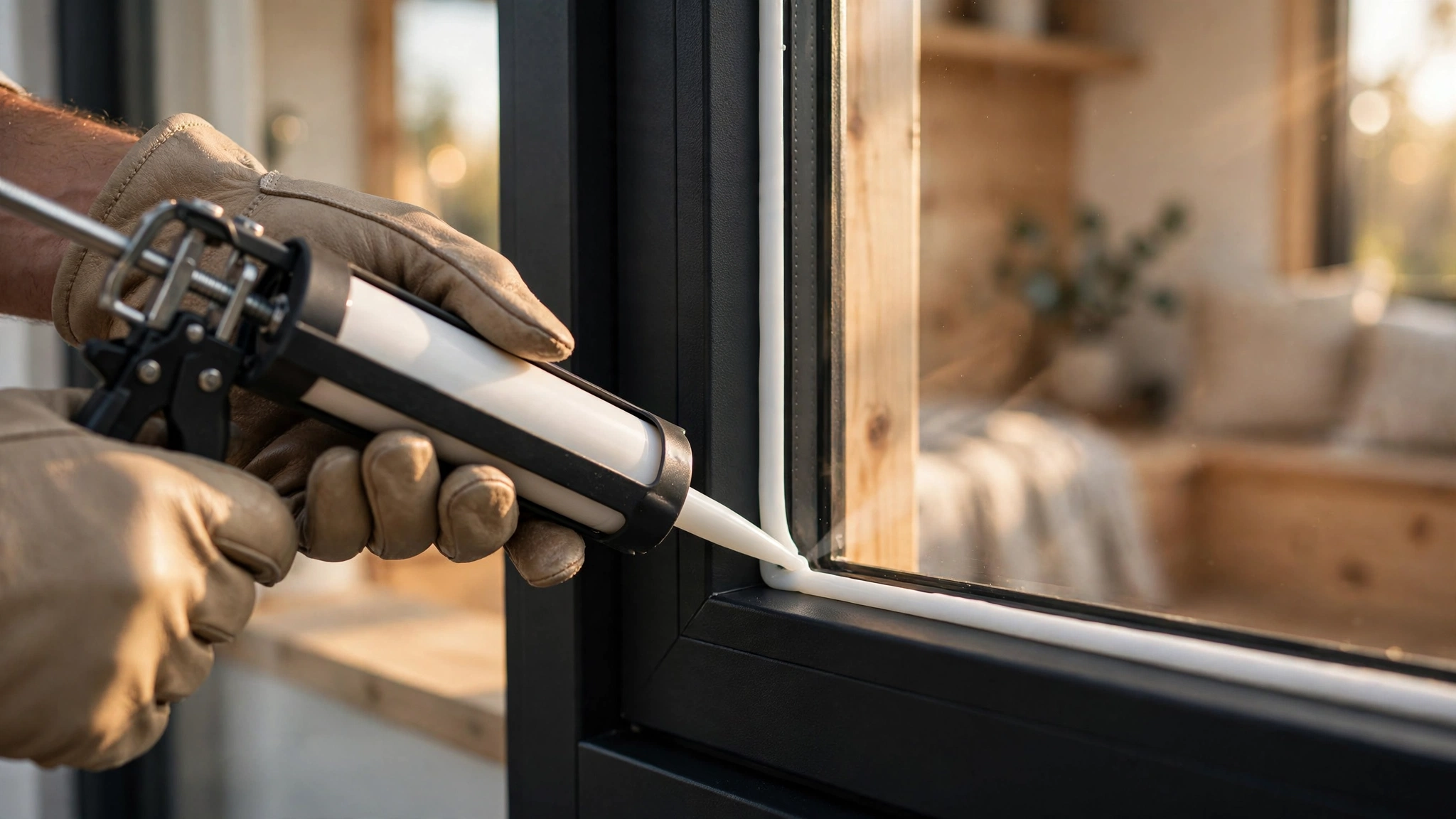
How to Reseal Windows: 7 Easy Steps for the Best Seal
A drafty room, a foggy view between the panes, or a sill that stays damp after heavy rain points to one problem: failed perimeter caulking. Learning how to reseal windows is one of the highest-return DIY repairs any homeowner can undertake. A single tube of caulk and an afternoon of focused work can noticeably lower utility bills while stopping water damage before it rots your structural framing.
Whether you need to know how to reseal windows inside your home, how to reseal windows outside against driving rain, or how to tackle older wood sashes and RVs, master how to reseal windows with this complete, step-by-step tutorial.
Table of Contents
Why Homeowners Must Know How to Reseal Windows
Caulk and weather seals do not last forever. Over five to ten years, direct sunlight, seasonal freezing, and humidity cause exterior caulking to dry out, shrink, and separate from exterior walls. Understanding how to reseal windows prevents small gaps from turning into expensive structural repairs.
Once a joint splits, outside air and moisture infiltrate your living space. According to the U.S. Department of Energy on air sealing, air leakage through unsealed window perimeters wastes up to 20% to 30% of a home’s total heating and cooling energy. Knowing how to reseal windows properly keeps conditioned air indoors and moisture out of your insulation.
Interior seals face different stress factors. Natural foundation settling and humidity fluctuations crack interior caulk lines between window trim and drywall. When you know how to reseal windows from both the exterior and interior, you protect your entire building envelope from hidden rot, drafts, and mold.
Tools and Materials Needed for Resealing
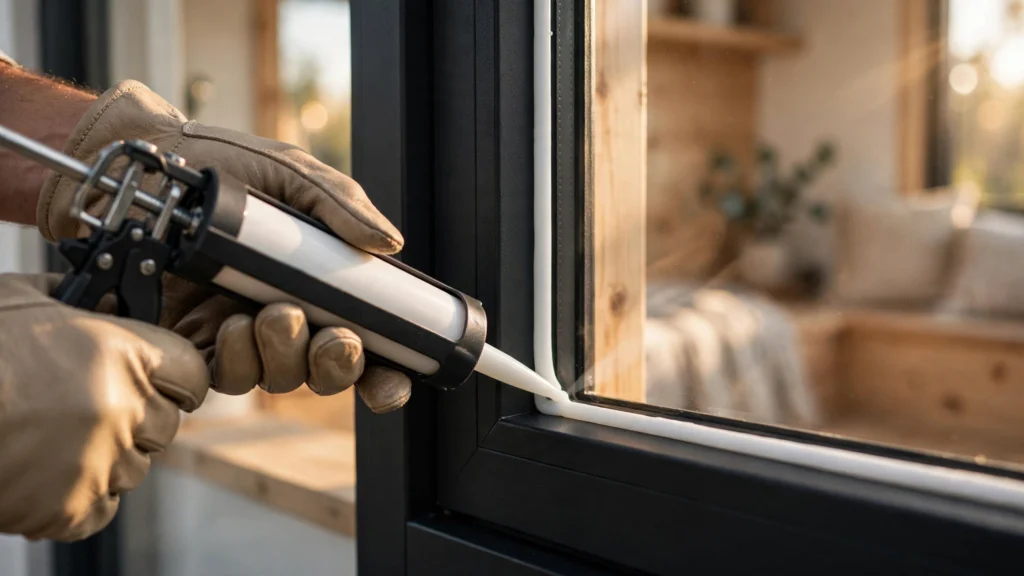
Before diving into the steps of how to reseal windows, assemble the correct gear for a smooth, weather-tight finish:
- Dripless Caulk Gun: A smooth push-rod gun with at least a 10:1 mechanical thrust ratio.
- Exterior Sealant: 100% silicone or elastomeric polyurethane exterior caulk.
- Interior Caulk: Paintable acrylic latex caulk enriched with silicone for trim joints.
- Removal Tools: A rigid 5-in-1 tool, utility knife, or specialized caulk-removal blade.
- Cleaning Solvent: Isopropyl alcohol or mineral spirits with clean lint-free rags.
- Blue Painter’s Tape: To tape clean borders and maintain razor-straight lines.
- Closed-Cell Foam Backer Rod: Sized 1/8 inch wider than any gap exceeding 1/4 inch.
- Specialty RV Butyl Tape: Essential if your project involves travel trailers or campers.
How to Reseal Windows Outside (7 Easy Steps)
Exterior sealing requires patience, clean joint channels, and dry weather. Follow these 7 easy steps to master how to reseal windows outside:
Step 1: Slice and Strip Away Old Caulk
Never layer new caulk over old residue. When executing how to reseal windows, use a utility knife to slice along both edges of the failing bead, then pull out the old strip with your scraper down to the substrate.
Step 2: Clean and Degrease the Seam
Wipe the entire channel thoroughly with isopropyl alcohol or mineral spirits. Allow the surface to dry completely for at least 20 minutes before caulking.
Step 3: Pack Deep Gaps with Backer Rod
If the gap between siding and the window frame is deeper or wider than 1/4 inch, press a foam backer rod into the seam. This prevents joint slump and guarantees two-point adhesion.
Step 4: Tape the Joint Edges
Apply blue painter’s tape along the window frame and along the adjacent siding, leaving a clean 1/4-inch channel for the sealant bead.
Step 5: Trim the Caulk Nozzle at 45 Degrees
Cut the nozzle at a 45-degree angle to match the gap width, then puncture the inner protective foil seal using the caulk gun’s puncture rod.
Step 6: Dispense a Steady, Continuous Bead
Hold the gun at a 45-degree angle. Squeeze the trigger smoothly while pulling the nozzle evenly along the seam to avoid humps or voids.
Step 7: Tool Smooth and Peel the Tape
Smooth the bead immediately with a caulk smoothing tool or a wet finger. Remove the painter’s tape while the caulk is still wet, then allow 24 to 48 hours to cure fully.
How to Reseal Windows Inside
Knowing how to reseal windows inside stops warm conditioned air from escaping into wall voids and eliminates cold drafts near interior seating. Because interior trim is viewed up close, precision counts:
- Clear Away Cracked Trim Caulk: Carefully scrape loose caulk from window stools, aprons, and casings using a flexible putty knife.
- Vacuum the Joint: Clean out sanding debris and household dust with a vacuum brush, then wipe with a damp microfiber cloth.
- Apply Paintable Latex Caulk: Never use 100% silicone on interior trim because paint will not stick to it. Always choose a paintable elastomeric acrylic latex formula.
- Smooth the Bead: Run a thin bead along the trim-to-drywall seam and smooth it with a damp sponge for a concave profile.
- Touch Up Paint: After 2 hours of drying time, paint the caulk line to seamlessly match your interior trim.
While checking indoor trim, you may also find that doors stick or rub against their frames due to minor house settling. Check out our detailed guide on how to fix a sagging door to resolve alignment problems during the same weekend.
How to Reseal Double Pane Windows

Homeowners often search for how to reseal double pane windows when they see trapped condensation. You must distinguish between two different problems:
- Frame Perimeter Leaks: Air blowing around the window sash or frame can be fixed completely by following our guide on how to reseal windows.
- Fog Between the Panes: If moisture, fog, or white haze forms between the two glass panes, the internal Insulated Glass Unit (IGU) seal has broken.
Can You Reseal Foggy Double-Pane Glass Panes?
No external caulk can repair a ruptured IGU. Once the internal seal fails, the insulating argon gas escapes permanently. The effective solution is ordering a replacement IGU sash from a glass fabricator. A technician will replace just the glass unit while leaving your window frame and casing intact.
How to Reseal Old Windows and Historic Frames
Historic wood double-hung windows require specialized techniques. Traditional wood frames expand and contract significantly, so knowing how to reseal old windows keeps historic timber protected from rot.
Glazing Putty vs. Modern Caulking
On antique single-pane wood windows, glass is held in place by metal glazing points and linseed-oil glazing putty. If your panes rattle, chip away dried putty and press fresh glazing compound into the sash rebate before caulking exterior casing joints.
Pre-1978 Lead Safety
If your property was built before 1978, old window casings likely contain lead-based paint. Review the EPA Lead Renovation, Repair, and Painting (RRP) Rules. Always wet-scrape old surfaces to suppress dust, wear an approved HEPA respirator, and lay plastic sheeting beneath your work area.
After scraping, sealing, and repairing vintage wood frames, applying an exterior topcoat protects the wood from future weathering. Refer to our house painting cost guide to estimate paint and primer requirements accurately.
How to Reseal RV and Camper Windows

Learning how to reseal rv windows requires specialized materials. Standard household caulk hardens into rigid beads that crack under highway vibrations. Always use heavy-duty butyl tape when resealing camper windows:
- Back Out the Interior Clamp Screws: Have a helper hold the exterior window frame while you remove the interior retaining screws.
- Free the Window from the Wall: Push the frame outward. Slice the old butyl tape using a flexible plastic putty knife to avoid scratching fiberglass sides.
- Clean Old Putty Completely: Clean both the window flange and the trailer wall with mineral spirits until completely free of adhesive residue.
- Lay Fresh Butyl Tape: Press a continuous strip of 1/8-inch butyl tape along the backside of the window mounting flange.
- Reinstall the Assembly: Reinsert the window into the rough opening, secure the interior retaining ring, and tighten screws evenly in an alternating pattern.
- Trim Squeeze-Out: Slice away excess squeezed-out butyl tape, then apply a fine cap-bead of non-sag RV lap sealant along the top edge.
How to Reseal Mobile Home Windows
Manufactured and mobile homes shift on pier-and-beam setups during temperature changes. When discovering how to reseal windows on a manufactured home, select a flexible elastomeric caulk capable of accommodating joint expansion between aluminum frames and metal siding.
Caulk vs. Weatherstripping: Getting the Right Seal
A common error when mastering how to reseal windows is applying caulk to operable sashes. Use this comparison table to choose the right material for every joint:
| Feature | Caulk / Sealant | Weatherstripping |
|---|---|---|
| Joint Type | Stationary & fixed seams | Operable & moving components |
| Where to Apply | Frame-to-siding, trim-to-drywall | Sash channels, meeting rails, sills |
| Best Material | 100% Silicone, Polyurethane, Acrylic | V-strip, tubular rubber, foam tape |
| Primary Purpose | Waterproofs non-moving gaps permanently | Stops drafts while permitting window opening |
| Common Error | Glues moving sashes shut | Cannot seal wide exterior frame gaps |
If air blows past the sliding sash of a double-hung window, replace the compression weatherstripping. If air enters along the stationary perimeter frame, apply fresh caulk.
How Much Does It Cost to Reseal Windows?
Understanding how to reseal windows yourself saves significant labor fees. Here is a breakdown of realistic project expenses:
- DIY Window Caulking: $10 to $25 per window. One tube of commercial polyurethane or silicone seals approximately two residential windows. Adding masking tape, cleaner, and backer rod keeps costs low.
- Professional Window Caulking Service: $45 to $110 per window. Handymen and caulking contractors charge for ladder setups, old caulk removal, and exterior prep work.
- Double-Pane IGU Replacement: $200 to $550 per window. If the internal glass seal has failed, replacing the insulated glass unit restores full energy efficiency without replacing the entire frame.
How Often to Reseal Windows
Once you understand how to reseal windows, schedule regular maintenance inspections:
- Exterior Windows: Check every spring and replace caulk every 5 to 8 years. South-facing windows with heavy UV exposure often need resealing sooner.
- Interior Windows: Typically lasts 10 to 15 years because it is protected from rain and freezing temperatures.
- RV and Camper Windows: Inspect every 3 to 5 years, since travel vibration loosens frame seals faster than stationary foundations.
Common Mistakes to Avoid When You Reseal Windows
Ensure your hard work lasts for years by steering clear of these common pitfalls when learning how to reseal windows:
- Caulking Over Rotted Wood: Applying sealant over rotted wood traps dampness inside the framing. Always repair wood with epoxy consolidant before caulking.
- Sealing Window Weep Holes: Never caulk the drainage weep holes located along the bottom exterior rail of vinyl windows. Doing so traps moisture inside the wall cavity.
- Caulking in Bad Weather: Avoid applying caulk below 40°F (4°C) or in direct intense heat above 90°F (32°C). Colder temperatures prevent adhesion, while heat causes skinning before tooling.
- Omitting Foam Backer Rod: Caulking over deep gaps wider than 1/4 inch without backer rod leads to joint sagging and premature cracking.
Frequently Asked Questions
How much does it cost to reseal windows?
When learning how to reseal windows on a DIY budget, materials cost between $10 and $25 per window. Professional caulking services cost $45 to $110 per window. If the internal glass seal in a double-pane unit fails, replacing the insulated glass unit runs $200 to $550 per window.
How often should you reseal windows?
Exterior window caulk should be resealed every 5 to 8 years depending on sun and weather exposure. Interior caulk can last 10 to 15 years before needing a refresh.
Can you reseal windows and doors at the same time?
Yes. It is recommended to tackle both together since the prep tools, polyurethane sealants, and curing times are identical.
What does it mean if a window is leaking after resealing?
A leak after resealing usually indicates the joint was damp or dirty during application, backer rod was omitted in a wide gap, or water is penetrating through head flashing above the window frame.
Can you reseal a window without removing the old caulk?
No. Never apply fresh caulk directly over old caulk. New sealant requires clean, bare surfaces to adhere properly; otherwise, it peels away within months.