Traditional Interior Design: A Complete Guide to the Timeless Style
Traditional Interior Design: A Complete Guide to the Timeless Style
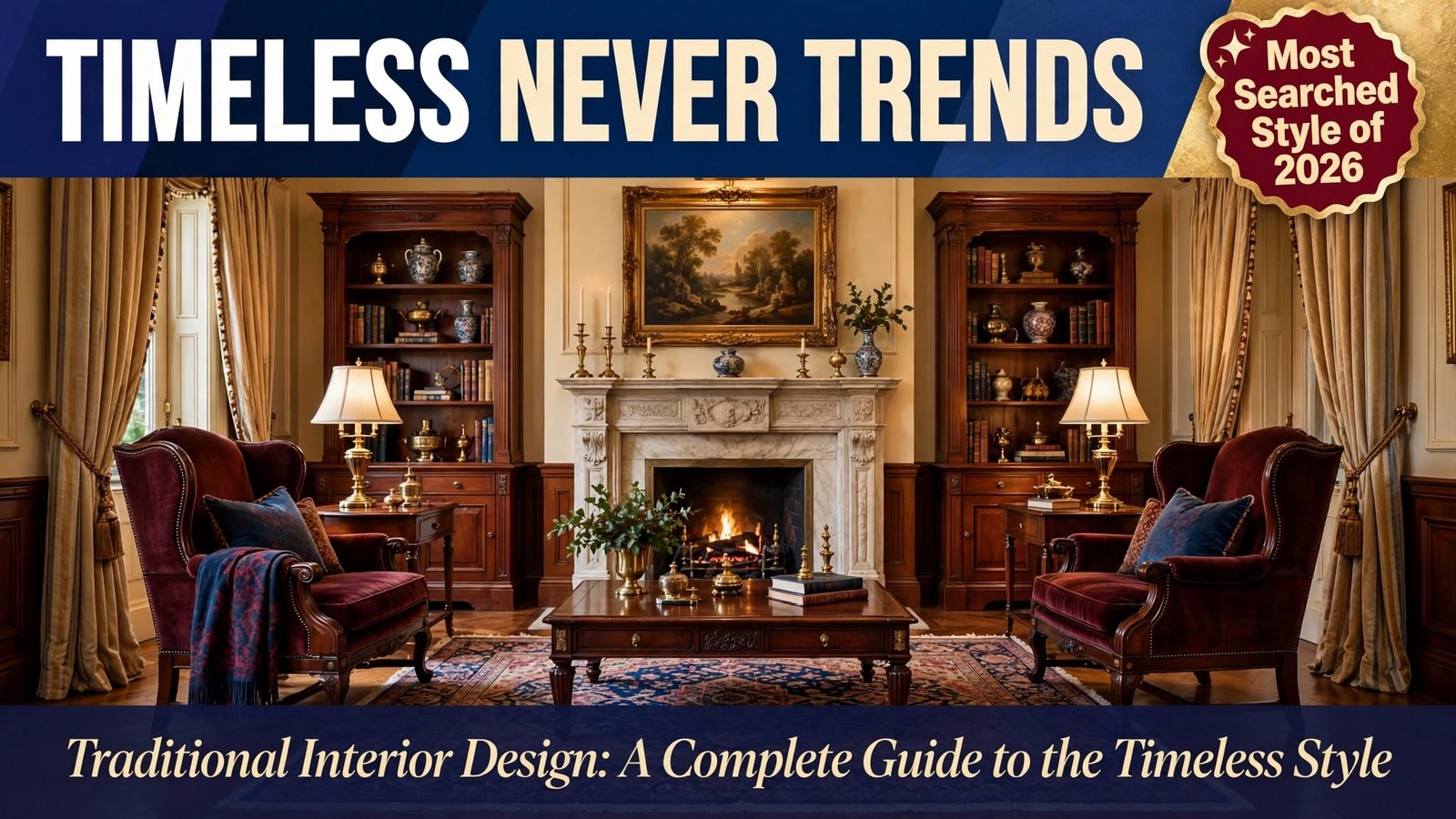
What is traditional interior design? It’s a decorating style built on classic furniture forms, symmetry and rich materials rather than a single historical period. Think dark wood furniture, patterned rugs, framed art and substantial upholstery arranged in a balanced, formal layout. It’s one of the most recognizable interior design styles precisely because it doesn’t chase trends.
For additional inspiration and background on traditional interiors, see Architectural Digest’s guide to traditional interior design.
Traditional design draws loosely from 18th and 19th century European decorating, filtered through decades of American homes, so it feels familiar even to people who couldn’t name a single design era. That familiarity is exactly why it remains one of the most searched interior design styles year after year.
Quick answer: Traditional interior design uses classic furniture shapes, symmetrical layouts and rich materials such as dark wood, brass and patterned textiles to create a formal, timeless look. It pairs well with warm color palettes like cream, navy and burgundy. It can be softened for smaller homes or blended with modern elements for a more current feel.
What Defines Traditional Interior Design
It rests on a handful of consistent principles rather than any single decorating trick.
Symmetry. Traditional rooms are typically arranged in mirrored pairs. Two matching armchairs flank a fireplace. Identical lamps sit on either side of a bed. This balance is one of the fastest visual cues that a room reads as traditional rather than eclectic or modern.
Classic furniture forms. Wingback chairs, camelback sofas, turned table legs and carved details all trace back to historical furniture shapes. These pieces tend to have more visual weight than the slim, straight-lined furniture common in modern or Scandinavian rooms.
Rich, layered materials. Dark wood tones such as mahogany, cherry and walnut anchor most traditional rooms. Brass or bronze hardware, substantial drapery, patterned area rugs and framed artwork add layers that a more minimal style would strip away.
Warmth over starkness. Traditional rooms favor a lived-in, collected feeling rather than an edited, gallery-like one. Bookshelves are filled. Surfaces hold objects with history or meaning. The goal is comfort and permanence, not restraint.
Where Traditional Interior Design Comes From
Traditional design didn’t originate as a single documented movement the way modernism or Art Deco did. It grew gradually out of 18th and 19th century European furniture making, particularly English and French styles, then carried over into American homes through the 19th and 20th centuries as those furniture forms became widely manufactured and affordable.
That gradual, borrowed history is part of why traditional design resists a strict definition today. It absorbed regional variations as it spread, which is also why terms like colonial and southern traditional exist as related but distinct branches rather than the exact same style under a different name. The result is a decorating language that feels inherited rather than invented, which is precisely the quality most people are describing when they call a room traditional.
Traditional Interior Design Color Palettes
Color plays a bigger role in traditional design than most people expect walking in.
Classic traditional palettes lean on cream, navy, burgundy and deep forest green, often paired with warm neutral walls that let furniture and textiles carry the color. These tones read as formal without feeling cold, which is part of why the style has stayed popular across so many decades of shifting trends.
Gold, brass and warm wood tones typically handle the metallic and material accents instead of the cooler chrome or matte black finishes common in modern interiors. A traditional living room might pair a navy sofa with a mahogany coffee table, brass lamps and a burgundy and cream patterned rug, all working from the same warm, saturated family.
If you’re planning a full repaint to support a traditional color scheme, this guide to figuring out how much paint you need walks through the coverage math room by room before you buy.
Furniture and Materials in Traditional Design
Furniture choice does more work here than in almost any other style, since the shapes themselves carry the visual language.
Wingback and camelback pieces. A wingback chair or a camelback sofa, named for its curved, hump-like back, are two of the clearest traditional furniture signatures. Their curved lines and substantial upholstery contrast sharply with the straight, low-profile furniture found in modern or minimalist rooms.
Wood and joinery. Traditional furniture typically favors solid wood construction, turned legs and visible joinery details like fluting or carved trim. Dark stains dominate, though lighter traditional pieces do appear in more relaxed regional variations.
Textiles and pattern. Damask, toile, florals and plaids show up regularly in traditional upholstery, drapery and rugs. Pattern mixing is common, though it’s usually anchored by a shared color family to keep the room from feeling chaotic.
Art and accessories. Framed art in matching or coordinated frames, table lamps in pairs and collected objects like books, porcelain or family pieces round out a traditional room. These details are what make traditional interiors feel personal rather than staged.
Traditional Interior Design by Room
Living Room
This is where traditional design shows up most clearly: a symmetrical furniture arrangement around a fireplace or focal point, a substantial area rug, coordinated drapery and at least one classic seating shape like a wingback chair.
Bedroom
Traditional bedrooms lean on an upholstered or wood headboard, matching nightstands and lamps and layered bedding in a coordinated color palette. Symmetry matters here too. Identical nightstands and lamps on either side of the bed are a quick way to establish the look.
Kitchen
Traditional kitchens favor raised-panel cabinetry, often painted in cream or soft neutral tones, paired with warm wood floors, ornate hardware and classic tile patterns like subway or hexagon. Granite or marble countertops with detailed edge profiles are common, along with furniture-style islands rather than flat, minimal ones.
Traditional vs Transitional vs Classic: Clearing Up the Confusion
These three terms get used loosely. The overlap causes real confusion for anyone trying to shop or hire a designer with a clear direction.
Traditional is the fullest expression of the style described throughout this guide: classic furniture forms, rich materials and formal symmetry.
Transitional design blends traditional comfort with cleaner, more contemporary lines. It keeps some traditional warmth while trading ornate details for simpler silhouettes. It’s often the easier style to live with for households who want warmth without full formality.
Classic is used inconsistently, sometimes as a synonym for traditional and sometimes to describe any furniture style that has stayed popular over a long period, including certain mid-century or modern pieces. When a source uses “classic” without more context, it’s worth checking which furniture shapes and materials they’re actually describing before assuming it means traditional.
Blending Traditional and Modern: The Modern Traditional Look
One of the most common questions people bring to this style isn’t whether to use it. It’s whether they can combine it with a more modern home.
The answer is yes. This “modern traditional” approach has become one of the most popular ways to update the style without abandoning it. The formula usually comes down to keeping one or two traditional anchor pieces, such as a wingback chair or a carved wood table, then pairing them with simpler, cleaner surroundings: plain walls, straight-lined sofas and uncluttered surfaces.
Reduce the pattern count. A traditional room might mix three or four patterns. A modern traditional room usually keeps one strong pattern and lets the rest of the room stay solid and calm.
Lighten the palette. Swapping deep burgundy or forest green for warm cream, soft gray or muted blue keeps traditional furniture shapes from feeling heavy in an otherwise contemporary room.
Mix eras deliberately. A traditional wood dining table paired with modern upholstered chairs is one example. A classic sofa shape done in a plain linen fabric instead of a busy print is another. Both read as intentional rather than mismatched.
Edit the accessories. Traditional rooms tend to display more objects. A modern traditional version typically keeps fewer, more meaningful pieces visible and stores the rest.
This blended direction is worth considering for anyone who loves traditional furniture but lives in a home with more contemporary architecture, since forcing a fully traditional room into a modern shell can feel disconnected from the space itself.
Regional Traditional Styles Worth Knowing
Traditional design has regional variations, though most are closely related enough that they don’t need separate treatment.
Southern Traditional
Southern traditional leans into wide porches, high ceilings and a more relaxed, less formal version of the style, often mixing traditional furniture with lighter, airier fabrics suited to warmer climates.
American Colonial
American colonial traces directly back to 18th century furniture forms and tends to be more restrained and symmetrical than other traditional variations, with an emphasis on wood tones and simple, historically accurate details over heavy ornamentation.
Most other regional labels attached to traditional design describe a specific cultural design tradition in their own right rather than a variation of this Western traditional style. They deserve their own dedicated treatment rather than a brief mention here.
Is Traditional Interior Design Right for Your Home?
Traditional design tends to work best in homes with some architectural detail to support it: crown molding, defined rooms and higher ceilings all give the style room to breathe. It’s a strong fit for anyone who wants a formal, put-together look and doesn’t mind a bit more furniture and layering than a minimalist room would carry.
It’s a harder fit in very small or open-concept spaces, where heavy furniture and multiple patterns can start to feel crowded fast. If your home is compact, a lighter or modern traditional approach, with fewer pieces and a calmer palette, usually works better than a fully traditional room.
How to Get the Look Without Overspending
Traditional design has a reputation for being expensive. The look actually comes from shape and color as much as from price.
Start with one or two investment pieces, like a well-made wingback chair or a solid wood table, rather than replacing every item in a room at once. Secondhand and antique stores are genuinely useful here, since traditional furniture shapes hold up well against wear and often show up at a fraction of retail cost.
Paint and textiles do a surprising amount of the visual work too. A navy or cream wall color, paired with one patterned rug and a set of coordinated lamps, can establish the style before a single new piece of furniture arrives.
If you want a broader sense of how traditional compares to other interior design styles before committing, this comparison of major interior design styles is a useful next stop.
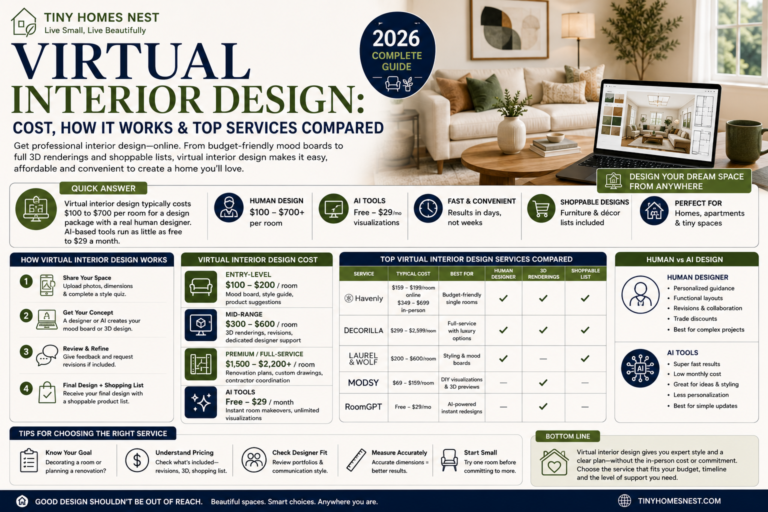
For anyone who wants professional help translating traditional elements into a real floor plan, a virtual interior design service is a lower-cost way to get expert direction.
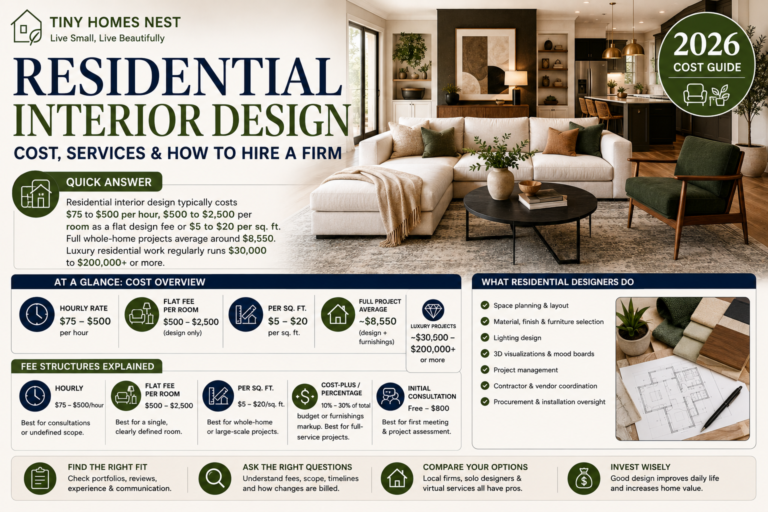
For a full-home traditional renovation, hiring a residential interior design firm is worth pricing out.
Frequently Asked Questions
What is traditional interior design?
It’s a decorating style built on classic furniture forms, symmetry and rich materials like dark wood, brass and patterned textiles, creating a formal, timeless look rather than following a specific trend.
Is traditional interior design out of style?
No. Traditional design has stayed consistently popular for decades precisely because it isn’t trend-dependent. Its softer cousin, modern traditional, has also grown in popularity for people who want the warmth of the style with a more current feel.
What’s the difference between traditional and transitional design?
Traditional design uses the fullest, most formal version of classic furniture and materials. Transitional design blends that same warmth with simpler, more contemporary lines, trading ornate details for cleaner silhouettes.
Can you mix modern and traditional furniture?
Yes. Keeping one or two traditional anchor pieces, lightening the color palette and reducing pattern count are the most reliable ways to blend the two styles without the room feeling disconnected.
What colors are used in traditional interior design?
Cream, navy, burgundy and deep forest green are the most common traditional colors, usually paired with warm wood tones and brass or gold accents rather than cooler, more modern finishes.
Is traditional interior design good for small spaces?
It can be challenging. Heavy furniture and multiple patterns tend to crowd a small room quickly. A lighter, modern traditional approach with fewer pieces and a calmer palette usually works better than a fully traditional room in limited square footage.
How do you modernize a traditional home without a full renovation?
Lightening the wall color, swapping heavy drapery for simpler window treatments and editing down displayed objects are the fastest changes. None of them require replacing furniture, which makes this the cheapest way to test whether a modern traditional direction suits the house before committing further.
Final Thoughts
Traditional interior design earns its staying power by prioritizing comfort, craftsmanship and a formal sense of balance over whatever look happens to be trending. Whether you commit to it fully or blend it with a more modern approach, understanding its core principles, symmetry, classic furniture forms and rich materials, makes it far easier to build a room that feels intentional rather than accidental.