Home Office Inspiration: 45 Ideas for a Space You’ll Actually Want to Work In
Finding genuine home office inspiration is much harder than it sounds. Search the term online and most results are glossy catalog photos that look nothing like an actual living home: zero visible cords, no everyday paperwork, and no dog bed tucked into the corner. This guide skips the unrealistic fantasy version. Instead, it delivers practical, real-world home office inspiration you can actually implement, whether you have a dedicated spare room, an unused closet, or just a quiet corner of your living room.
Below, you will find functional small space solutions, modern styling cues, color and material palettes, ergonomic desk setups, and budget-conscious tiers. By following this curated home office inspiration guide, you will have a clear, actionable roadmap for your workspace instead of forty open browser tabs.
Table of Contents
- What Makes Good Home Office Inspiration
- Small Home Office Inspiration for Tight Spaces
- Modern Home Office Inspiration and Clean Lines
- Home Office Decor Inspiration: Color, Material, and Finish
- Home Office Setup Inspiration: Desk, Chair, and Ergonomics
- Home Office Inspiration by Budget
- Bold, Soft, or Neutral: Choosing Your Aesthetic
- Multi-Use Rooms: Guest Room and Office Combos
- Where Designers Actually Find Home Office Inspiration
- Turning Any Spare Corner Into a Real Office
- Frequently Asked Questions
What Makes Good Home Office Inspiration
Not every beautiful Pinterest picture translates into an efficient workday. The most dependable home office inspiration checks four practical baseline boxes before obsessing over visual style:
| Core Pillar | Functional Objective | Actionable Tip |
|---|---|---|
| Natural Light | Minimizes eye strain & boosts daytime focus | Position desk perpendicular to windows to kill screen glare |
| Task Layout | Aligns furniture with your daily workflow | Face the door for video calls; face the wall for deep writing |
| Closed Storage | Prevents open clutter from piling up | Use deep drawers and opaque bins for cords and paperwork |
| Personal Touch | Creates a space you look forward to visiting | Add framed art, live plants, and curated personal books |
Lighting is non-negotiable. Setting a desk near a window cuts down on eye strain and makes even a converted nook feel airy. North-facing windows provide the softest daylight for computer screens. South-facing windows offer abundant brightness, though you may need a sheer curtain to diffuse intense midday glare.
Layout must directly support your primary daily tasks. A desk facing a wall works best for intense solo concentration, like coding, writing, or building spreadsheets. Conversely, a desk facing the doorway works better for professionals on video conferences all day, as it presents an uncluttered, professional architectural background on camera.
Storage requires an honest appraisal. Open floating shelves look pristine on staging day, but they often morph into chaotic dumping grounds within three weeks. Closed credenzas or file drawers conceal unruly printer cords, extra notebooks, and tech accessories that you would rather keep off-camera.

Small Home Office Inspiration for Tight Spaces
Most residential workspaces are not sprawling corner suites. In contemporary apartments and compact houses, meaningful small home office inspiration relies on reclaiming neglected square footage:
- The Cloffice (Closet Office): Remove closet doors or replace them with a drapery track. Slide in a 24- to 30-inch deep butcher-block desktop and install heavy-duty floating shelves above eye level for books and peripherals.
- Corner Desk Nooks: An L-shaped floating desk tucked into an underutilized bedroom corner provides generous working surface while keeping the center of the room open.
- Under-Stair Workstations: The dead triangular space beneath an interior staircase easily accommodates a custom sloped work surface paired with low modular filing drawers.
- Fold-Down Murphy Desks: Wall-mounted drop-front desks close completely flat when your shift concludes. This is top-tier small home office inspiration for dual-purpose guest rooms or studio apartments.
- Vertical Wall Systems: When square footage is tight, build upward. Floor-to-ceiling modular tracks keep reference binders, printers, and desk organizers off your primary desktop.
The secret to executing small home office inspiration is proportion. Furniture scaled specifically to your room’s exact footprint will always feel more polished and comfortable than bulky executive furniture shoehorned into a modest alcove.

Modern Home Office Inspiration and Clean Lines
If your goal is an uncluttered, distraction-free environment, modern home office inspiration centers around intentional discipline rather than passing trends:
1. Invisible Cable Management
Dangling wires are the single biggest detail separating an average desk from a high-end setup. Under-desk wire raceways, split-tubing sleeves, and integrated desk grommets maintain a visual calm that keeps your mind clear.
2. A Restrained Material Palette
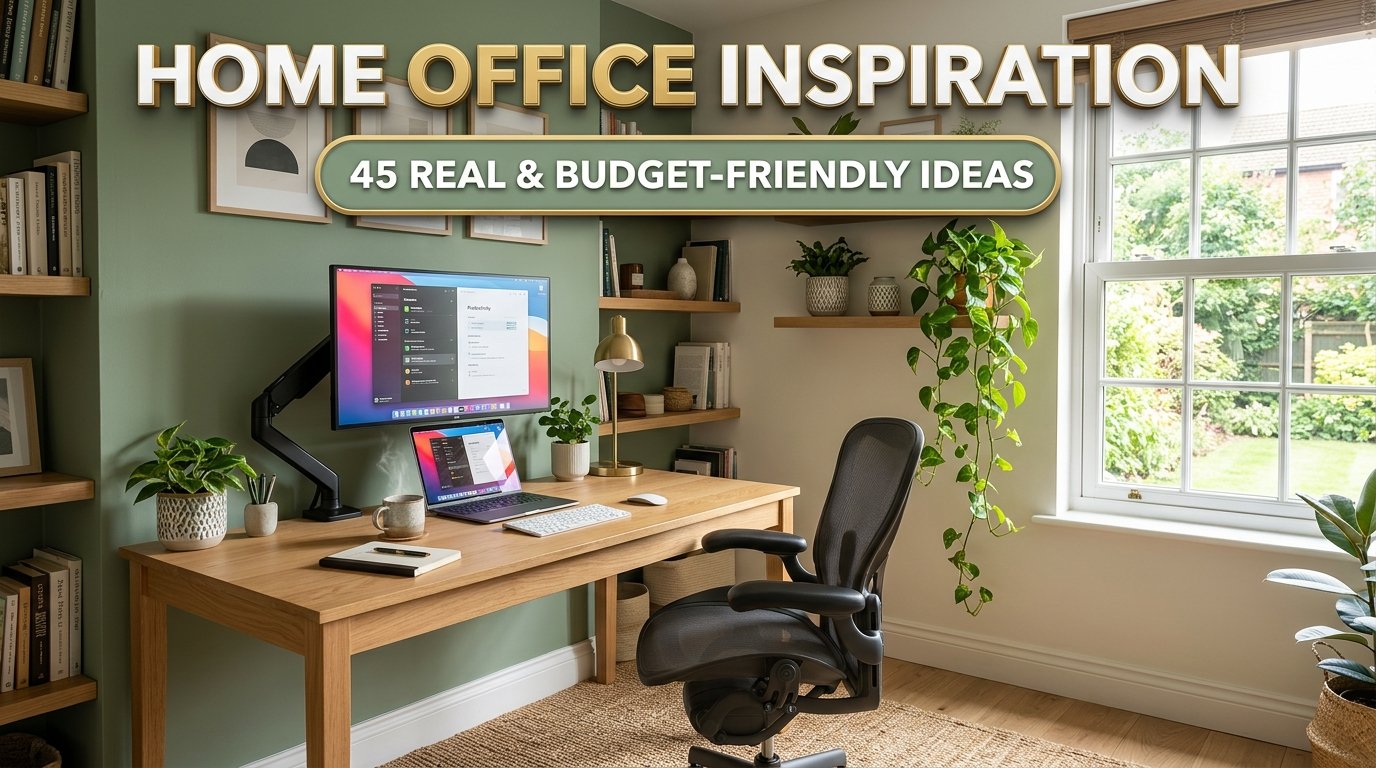
Modern design avoids chaotic visual noise. Stick to three primary finishes: matte black metal accents, warm natural wood, and a soft neutral textile (such as a flat-weave wool rug or woven linen window shade).
3. Furniture With Elevated Legs
Desks, file pedestals, and armchairs with slim, elevated legs preserve visible floor space underneath. Showing more floor surface tricks the eye into perceiving a compact room as significantly larger and more open.
4. Streamlined Tech Footprints
Swap bulky monitor stands for articulating desk-mounted monitor arms. Use an under-desk laptop mount, a magnetic wireless phone dock, and a compact desktop hub to clear every unnecessary wire from your field of vision.

Home Office Decor Inspiration: Color, Material, and Finish
Wall color dramatically influences emotional energy and daily mental stamina. That is why so many searches for home office decor inspiration begin with paint swatches:
- Cool, Grounded Tones: Muted sage green, slate blue-gray, and warm greige lower visual fatigue and are scientifically ideal for deep, focused screen time.
- Warm, Energetic Hues: Terracotta, roasted olive, and deep espresso infuse character into rooms dedicated to collaborative strategy calls, creative writing, or video production.
- Targeted Accent Walls: If painting the whole room feels daunting, painting just the wall directly behind your desk delivers dramatic depth at a fraction of the cost. If you are calculating cans before heading to the hardware store, check our practical guide on how much paint you need to prevent wasted spending.
Tactile textures are equally vital. Hard screens, metal monitor arms, and laminate furniture feel cold quickly. Introducing a solid walnut or white oak desktop instantly warms the space. A woven jute rug, a bouclé task chair, or tailored linen drapes balance out hard plastic surfaces.
Never underestimate low-light greenery. A hardy snake plant or trailing pothos thrives with minimal care, cleans indoor air, and injects organic vibrancy that softens tech-heavy desks.
Home Office Setup Inspiration: Desk, Chair, and Ergonomics
Solid home office setup inspiration balances visual aesthetics with orthopedic health. Spending eight hours a day in an unsupportive chair will derail your productivity regardless of how stylish the space looks.
According to workplace ergonomics standards published by Cornell University Ergonomics Web, your desk and chair setup should support a neutral body posture: elbows rested at roughly a 90-degree angle, wrists straight, and feet planted flat on the floor.
- Desk Depth: Aim for a desktop depth between 24 and 30 inches. This accommodates a laptop or large external display without forcing you to crane your neck forward.
- Display Height: The top third of your computer monitor should sit right at natural eye level. Articulating monitor arms make fine-tuning these ergonomic adjustments effortless.
- Layered Ambient & Task Lighting: Harsh overhead lighting produces harsh shadows and glare. Combine a dimmable LED desk lamp for documents with an indirect floor lamp in an opposite corner to eliminate eye fatigue.
Home Office Inspiration by Budget
Great design does not require unlimited capital. Here is an honest breakdown of what distinct budget tiers achieve:
| Budget Tier | Key Purchases Included | Primary Transformation |
|---|---|---|
| Under $150 | 1 can accent paint, under-desk cable tray, warm LED task lamp, 2 potted plants | Immediate visual cleanup and fresh backdrop |
| $150 to $500 | Ergonomic mesh task chair, single/dual monitor arm, closed 2-drawer mobile file pedestal | Major physical comfort upgrade & hidden storage |
| $500 and Up | Motorized sit-stand desk frame, solid wood butcher-block top, custom wall-mounted shelving | Long-term bespoke workspace built for full-time daily use |
Remember that spending more does not automatically guarantee a superior workflow. A disciplined $200 corner with clean cable routing and balanced lighting will always outperform an expensive, cluttered $3,000 office that lacks a storage system.
Bold, Soft, or Neutral: Choosing Your Aesthetic
When curating home office inspiration ideas, design choices generally align with three distinct stylistic directions:
- Bold and Grounded: Charcoal, navy, or dark forest walls accented with aged brass hardware, cognac leather, and dark walnut furniture. This aesthetic feels like an intimate private study and looks phenomenal on client video calls.
- Soft and Organic: Warm whites, pale oak, rounded desktop corners, linen upholstery, and ceramic vessels. This light-filled direction makes tight alcoves feel expansive and calm.
- Neutral and Functional: Crisp greige walls, industrial powder-coated metal legs, acoustic felt pinboards, and clean lines. This low-maintenance setup minimizes daily distractions.
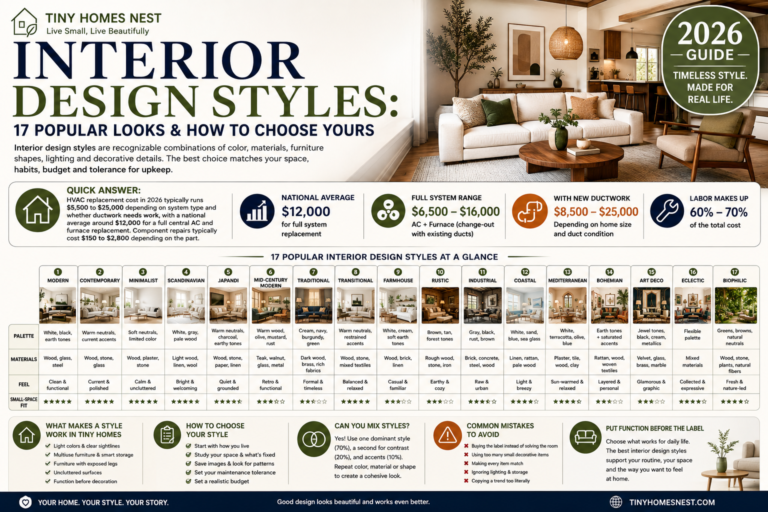
If you are struggling to identify which design language aligns with your home’s architecture, browse our comprehensive breakdown of major interior design styles to pinpoint your personal taste before purchasing furniture.
Multi-Use Rooms: Guest Room and Office Combos
In modern family homes, home offices frequently pull double-duty as spare guest rooms. The secret to a successful hybrid room is visual compartmentalization:
- Opt for a Daybed or Sleeper Sofa: A traditional queen-size mattress dominates valuable floor space all month. A streamlined sleeper sofa or daybed preserves working circulation on weekdays.
- Visual Closure at Day’s End: Position your desk facing away from the guest bed. When work wraps up, close your laptop, push in your task chair, and tuck loose paperwork into closed drawers so visitors do not feel like they are sleeping in a corporate cubicle.
- Shared Wardrobe Storage: Dedicate half of the closet to guest linens and luggage, leaving the remaining shelves for printer supplies and storage bins.
Where Designers Actually Find Home Office Inspiration
Professional interior designers rarely scroll stock galleries when building out custom work spaces. Real-world home office inspiration begins with spatial constraints: room dimensions, door swings, and window orientation eliminate unrealistic options immediately.
Designers also borrow palettes from adjoining rooms. A workspace that echoes the textures, woods, and trim details of the adjacent hallway feels cohesive rather than disconnected. They study public hospitality spaces—quiet boutique hotel lounges, university archives, and coffee houses—to borrow proven ambient lighting and seating layouts.
If designing your home office feels overwhelming, collaborating with an affordable virtual interior design service gives you 3D spatial floor plans and exact furniture sourcing. For larger structural renovations involving multiple rooms, consulting a local residential interior design firm guarantees your layouts are built to code and perfectly scaled.
Turning Any Spare Corner Into a Real Office
You do not need dedicated square footage to establish an inspiring workspace. The same planning rules that shape an executive study apply equally to an empty closet or a 4-foot alcove beside your kitchen. Every functional zone in your house benefits from this deliberate mindset. For example, our companion home gym decor guide covers a similar challenge: transforming utilitarian, compact spaces into motivating environments you genuinely enjoy using every single day.
Frequently Asked Questions
What is the best layout for a small home office?
An L-shaped desk positioned in an underutilized corner or a slim, wall-facing desk paired with vertical floating shelves uses the least floor space while keeping the center of the room open for comfortable movement.
How do I make a home office look better on a budget?
A fresh coat of paint on a single accent wall, an under-desk cable tray to conceal power cords, a warm LED task lamp, and one or two live plants provide a dramatic visual upgrade for under $150.
What paint colors work best for home office productivity?
Cool, muted tones like sage green, soft slate blue, and warm greige reduce eye fatigue during long hours of computer work. Warmer hues like terracotta, deep olive, or warm charcoal add dramatic visual depth for video conference backdrops.
Where do designers find home office inspiration?
Professional designers draw inspiration primarily from room constraints like light exposure and room proportions, cohesive color schemes in adjacent living areas, and functional layouts seen in public libraries, boutique hotels, and coffee shops.
Do I need a separate room to build a productive home office?
No. A shallow closet (roughly 24 to 30 inches deep), an unused staircase landing, or an empty living room corner can serve as a fully functional workspace when paired with properly scaled furniture and closed storage.
How much does a basic home office setup cost?
A comfortable setup including fresh paint, an ergonomic chair, an under-desk cable organizer, secondary lighting, and small closed storage drawers typically runs between $300 and $500.
What is the standard desk height for a home office?
Standard home office desks sit between 28 and 30 inches high. For customized ergonomics, an adjustable motorized sit-stand desk allows you to alternate posture and customize the desk height to your exact elbow level.
Final Thoughts: Start With Function First
The most lasting home office inspiration is not about copying a showroom picture; it is about building a space that directly supports your daily routine. Prioritize natural light, invest in a chair that protects your posture, manage your cords, and let your decor choices reflect your personal story.
Pick one aesthetic direction, solve your storage needs first, and create an inspiring workspace you genuinely look forward to working in every single morning.